How to Teach Young Athletes to Talk & Lead on the Court: Proven Ways to Build On-Court Confidence
Let me paint you a picture of what happened Wednesday night.
We got our butts kicked. Not just beaten—embarrassed. The other team pressed us, applied constant pressure, and we crumbled. Not because we lacked talent or effort, but because we didn't communicate on the court.
And here's what I realized after that frustrating loss: if my players aren't communicating in games, it's because I haven't taught them well enough in practice.
The games are the test. And they failed my test because I hadn't prepared them properly.
The Traditional Approach Is Backwards
Here's how most coaches try to improve communication: they yell, holler, and scream "Communicate more!" from the sidelines.
But think about it—who's doing all the communicating in that scenario? The coach.
Would you yell at a player to become a better shooter and expect them to magically improve? Of course not. It takes time, consistent practice, and actual coaching. Communication is a skill just like shooting, dribbling, or defense.
I've become a better communicator over time through podcasting, coaching, investing in my public speaking ability, and practicing. The more opportunities I get to practice communicating, the better I become. (Though I'll be honest—as a husband, I still need to become a much better listener.)
The Wake-Up Call
After that Wednesday loss, I was frustrated. Really frustrated. We'd had a good win on Monday, and I thought we'd carry that momentum forward. Instead, we fell apart.
In my head, I kept thinking: "I've talked about communication so much. Why haven't they got it yet?"
Then I had to be brutally honest with myself: What is going to be the most effective way for me to help them become better communicators?
The answer wasn't yelling. It was teaching.
How I Actually Taught Communication in Practice
Yesterday's practice looked completely different. Instead of screaming and hollering, I demanded communication. But more importantly, I taught them how to communicate.
Step 1: Teach Them WHAT to Communicate
Most athletes don't even know what they're supposed to say. On defense, we have three specific calls: Ball, Gap, Help. Before every defensive drill, I ask them—I don't tell them—"What are the three things we should say?"
Why ask instead of tell? Because asking forces them to think. It gives them practice articulating what they know. It's communication practice in itself.
Step 2: Teach Them HOW to Communicate
I literally asked them: "What is communication?" We talked about how it's a two-way street—talking AND listening. Both are skills that need practice.
Then we got practical. If a teammate is across the court and you need them to flash to the ball, how do you communicate that? Should you whisper or demand?
The answer: "Call their name and tell them exactly what to do in a loud and clear tone."
We practiced this all throughout practice. Every drill focused on communication. Not as a side note—as THE main focus.
Step 3: Hold Them Accountable
Here's where it gets real. If we weren't talking on defense during drills, we ran. Simple as that.
Not excessive running—just "On the line. Down and back. Let's do it again." It's a reminder. It's accountability. Because what happens in a game if we don't communicate? We lose. We don't play our best.
I asked them these questions to get them thinking and practicing communication with me.
The Most Important 20 Minutes of Practice
After practice, I did something that might be more important than any on-court drill.
For 15-20 minutes, I just asked them questions and had them talk to each other.
Here's what I'm really concerned about: Young athletes today are incredibly comfortable texting each other, maybe even FaceTiming. But in-person communication? That's where I see massive social anxiety, especially with young boys.
Everything is so tech-driven and digital. I see a huge increase in social anxiety and decreased ability to connect in person. As coaches and teachers, we can help build this skill.
The Questions I Asked
I started simple: "What's your favorite NBA team? Favorite player?"
Then I went deeper:
How did COVID affect your social skills?
How does being on social media affect your in-person social skills?
What does active listening look like?
I didn't tell them the answers. I asked them. Because here's the truth: a lot of times our athletes already know the answers. They just don't get the opportunity to practice articulating them.
At the end, I asked: "What do you think the purpose of this was?"
"To communicate, coach."
Exactly.
Why We Overcomplicate This
We want our athletes to be great at whatever we value overnight. That's one of the biggest things I've learned as a coach—and it's really frustrating when our team doesn't match the vision in our head.
When we get embarrassed by a loss, it's easy to blame the players. But those embarrassing moments are learning opportunities. They're signals that our job as coaches needs to improve too.
The Simple Formula for Building On-Court Confidence
To build better communicators and leaders:
Teach it (don't just demand it)
Practice it (consistently and deliberately)
Hold them accountable (with clear consequences)
Praise it (celebrate what you want repeated)
The Power of Praise
Here's the most important thing I'm going to leave you with: when athletes communicate well, you have to praise it.
What gets celebrated gets repeated.
If you celebrate great communication and people being great teammates, that becomes part of your environment. They'll keep repeating that behavior.
Too often we focus on what's going wrong. But when they do things well? That's when your praise matters most.
The Listening Skill I'm Still Working On
I mentioned earlier that I need to become a better listener in all aspects of my life. Communication isn't just about talking—it's about truly hearing others.
As coaches, we need to model this. We need to practice active listening with our athletes, not just expect them to listen to us.
That's what those 20 minutes after practice were really about. Creating space for them to talk, be heard, and practice being present with each other.
Point Blank Simple
We have to teach communication. We have to correct it. We have to provide accountability. And when they do it well, we have to praise it.
Stop yelling "Communicate more!" and start creating the conditions where communication and leadership can actually develop.
Your athletes want to be good at this. They're just waiting for someone to actually teach them how.
If this resonated with you, share it with a fellow coach, parent, or athlete who needs to hear it. We're transforming youth sports together—one conversation at a time.
Full Episode Transcript
[0:00] The biggest things I am super concerned about working with youth is their ability to communicate with one another in person, right? They're very comfortable texting each other. Maybe even FaceTime each other. Everything is so tech digital, especially young boys. I see a huge increase in social anxiety and ability to connect in person. And so that's something that we as coaches and as teachers can just help build.
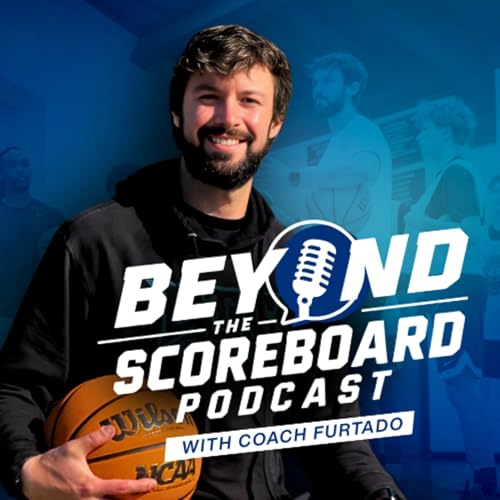
[0:24] You are listening to the Beyond the Scoreboard podcast. Transforming athletes into leaders on and off the court with host Coach Furtado.
[0:31] Coaches, are you ready to take your passion for coaching and turn it into a full-time career? I know the challenges firsthand, but the Make Money Coaching Sports program helped me take BTG basketball full-time. If you're tired of juggling coaching part-time and want to fully focus on doing what you love, this business accelerator will give you the tools and support to make it happen. Hit the link in the show notes below to learn more and start living your dream.
[1:00] Hello everyone and welcome back to another episode of the Beyond the Scoreboard podcast. I'm your host, Coach Furtado. And in today's episode, I am going to uncover and talk about how do we actually teach our athletes how to be better communicators. And most people, most coaches that I have seen have addressed this in the wrong way. And let's just jump right in and start with that.
[1:26] Now, the traditional way to get your athletes to communicate more on the court is to yell, holler, scream at them, "Communicate more!" Now, in that scenario, who is the one that's communicating the most? At the end of the day, what is the job of a coach? The job of a coach is to help players go from point A to point B. Now, is communication a skill like anything else? Yes. Do I just yell at player A and they're immediately going to be a better shooter? No. Right. It takes time. It takes practice, consistent practice, and it takes coaching. It takes praise. It takes accountability.
[2:01] And it takes a lot of practice. Right? I don't think Steph Curry became the best shooter of all time. I have become a better communicator over time. Part of it is from the podcast. Part of it is from coaching. Part of it is because I've invested in my learning and my public speaking ability, and I've practiced public speaking. So the more I get opportunities to practice communicating, the better communicator I'm going to be. Now I still as a husband have to become a lot better listener, right? Become more present. I need to become a better listener in all aspects of my life.
[2:32] Now we have that context. And what sparked this podcast is we got our butt kicked on Wednesday the other day. Really embarrassed and we just didn't communicate on the court. The other team, they pressed us. If you don't know basketball terminology, basically they applied a lot of pressure. We needed our athletes to communicate and work together on the team. Now, could I have done a better job of putting us in places of success and preparing us? Yes. And it was a really frustrating loss because we had a good win on Monday and it's like, "Oh, we're going to keep carrying it over."
[3:06] What I realized and one of our most important things as a coach, we have to recognize when we have an opportunity to learn. So with that being said, in the game we didn't communicate well. What does that tell me? Well, the games are the test. What it tells me is that we have not practiced enough. For me as the teacher of communication, of how to communicate in the sport of basketball, I have not prepared them well enough for the test. Right? The test. It's a great opportunity.
[3:32] So, yesterday, how am I going to teach communication? And in my head, I'm thinking about—I'm very frustrated. We get super frustrated as coaches. We're passionate. We care a lot. I get super frustrated. I feel like I have talked a lot about communication, but they haven't got it yet. And I had to be really honest with myself. What is going to be the best way for me to be an effective communicator to help them become an effective communicator?
[3:55] Now, in practice yesterday, instead of screaming and hollering, "You need to communicate more," I just demanded it. I demanded that they communicate more. And one of the things when it comes to communication, so I'm talking about sports specific, we have to give them—we have to teach them how to communicate. I'll go through a couple of things. So, teaching them how to communicate. First off, they don't even know what to communicate.
[4:14] So, on defense, we have this thing. There are three things. I'll review it before we go to defense. Every time, "Hey, what are the three things we should say?" I ask the question, I don't tell them, right? Because what does asking that question do that is different than giving them the answer? It allows them to think. It allows them to practice the skill of communicating back to me that they know the three things they need to communicate. Ball, gap, help. Those are the three things.
[4:41] Now, how do we communicate? Communication is a two-way street. So, I asked that. I literally asked them, "What is communication, right? What are the two things that are part of communication?" All right, we got talking and listening. Now, listening is a skill like I alluded to. I need to continue to improve on that myself as a coach. However, with that being said, we also need to make sure that when we are communicating that the person is understanding us.
[5:05] So, we talked about how do we communicate? Person is across the court. How do I communicate to them to come towards me? It's called flash to the ball for the basketball term. So, how do I communicate to that person to come towards me? Right? Should I whisper or do I demand? So, I'll talk to them. I'll be like, "Hey, you have to call their name and tell them exactly what to do in a loud and clear tone." Loud and clear. So, I'm teaching them how to do this. And then we're just practicing it.
[5:32] So, all throughout practice on court, all we did was practice communication. Now, you may be like, "Hey, Justin, that's great. That's awesome. This sounds like, you know, sunshine and rainbows, but how do we hold athletes accountable?" So what I did essentially—if when we were doing our defensive drill when we weren't talking on defense, you know what we did? We ran, right? And so that is—and essentially they know that if they don't communicate, there's accountability to it and that's life.
[6:01] And so I'm not running them too much. Okay, on the line. Boom. Down and back. Here we go. Right. Essentially, just do it over and over again until they like it. And you have to have these high standards. And there's going to be times in practice they're up and then they're down. "On the line, not to our standard." And it's our job. It's our responsibility to hold them to that standard and have that accountability. Could be push-ups, lines. You can kind of do anything within that. It doesn't need to be over the top. It just essentially needs to be a reminder to them. "Hey, reminder. You're not communicating enough. Accountability."
[6:31] Because what happens in a game? What happens in a game if we don't communicate enough? Right? I'm asking them these questions. What happens in a game? "We lose, coach. We don't play our best," right? I'm asking them these questions to get them to think and get them to practice communicating.
[6:47] Now, after practice, and this is actually more important than probably any of the on-court stuff I'm doing, all I did for 15, 20 minutes, I just asked them questions. I had them talk to each other. The biggest things I am super concerned about working with youth is their ability to communicate with one another in person, right? They're very comfortable texting each other. Maybe even FaceTime each other. Everything is so tech digital, especially young boys. I see a huge increase in social anxiety and ability to connect in person. And so that's something that we as coaches and as teachers can just help build.
[7:20] I just ask them a series of questions. You can ask as easy of questions of what is your favorite NBA team, favorite player. But I wanted them to get a little bit deeper. I wanted them—I talked to them, "What does active listening look like?" I just asked them, right? Instead of telling them, "This is what active listening—do this, do this, do this." No, we asked them. A lot of times our athletes know the answers. They don't get that opportunity to practice, right? Practice communication, practice direct communication, practice active listening.
[7:46] So, I'm asking them these things and I'm asking them, "How did COVID affect your social skills? How does being on social media affect your in-person social skills?" Then they get this opportunity to articulate with their teammates about this and communicate. I asked it at the end. I was just like, "What do you think the purpose of this was?" "To communicate." We overcomplicate things a lot of times. And I think we want our athletes to be great at whatever we value and we care about overnight.
[8:10] And that's one of the biggest things that I've learned as a coach and is really frustrating sometimes when our team doesn't play to our vision in our head, when we get embarrassed. But those are the learning opportunities that we have and it just means that our job as a coach needs to be improved as well. So I hope you got a lot of information out of this episode. If for you as a coach or a parent, go send this to another coach or a parent or a friend on how to help our athletes be better communicators.
[8:36] Look, point blank simply, we have to teach it. We have to teach it. We have to correct it. We have to provide them accountability. And when they do it, great. This is the most important thing that I'm going to leave you with. If they do their job well, if they communicate well, you have to praise it. And I think that is one of the biggest things. When they do things well, right? You're saying that what gets celebrated gets repeated. So if you celebrate great communication, you celebrate people being great teammates, that's part of your environment, and they're going to keep repeating that behavior.
[9:04] So, every single week we'll be dropping a podcast to bring wisdom to you, the coach, the parent, the athlete influencer to transform the youth sports industry to give back and really help our athletes be transformed beyond the game. Thank you for listening to this episode of the Beyond the Scoreboard podcast. If you enjoyed this episode, make sure that you subscribe wherever